huilai logo
HUILAI SCAFFOLDING

China Scaffold Manufacturer

首页 » Scaffolding Products » formwork systems » Formwork Accessories » Tie Nut for Concrete Formwork Tie Rod Connections

Tie Nut for Concrete Formwork Tie Rod Connections

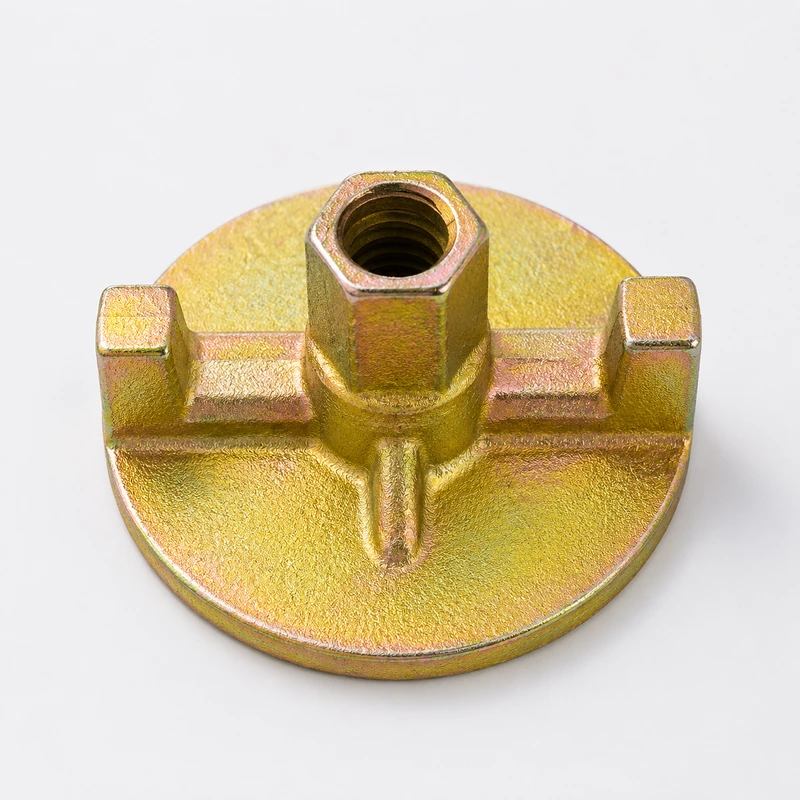
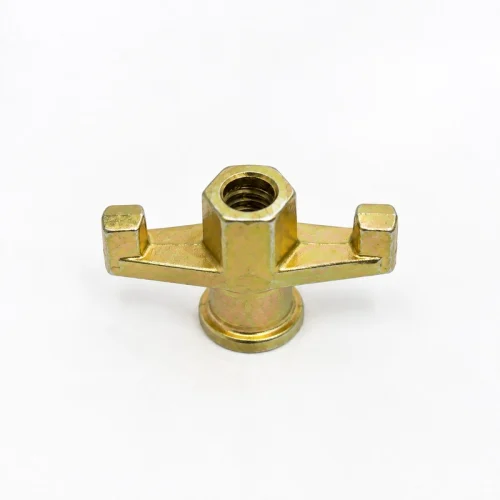
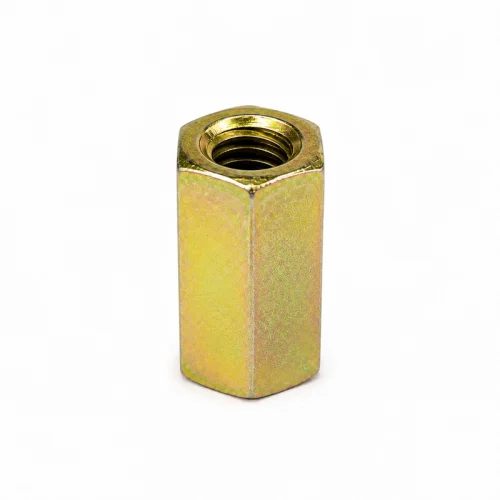
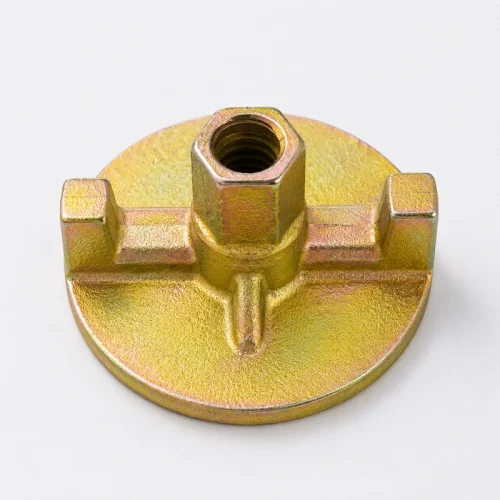
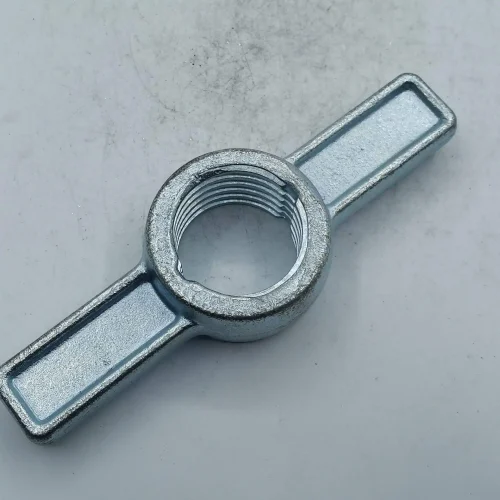
A tie nut is a fastening component used with a matching tie rod in concrete formwork assemblies. It tightens the tie connection from outside the formwork and works as part of the complete rod-and-nut arrangement. Product selection should follow the required tie system, especially for replacement or mixed-stock orders.

Tie Nut Manufacturer for Formwork Tie Rod Systems

Install a tie nut on the end of a formwork tie rod and tighten it against the supporting components outside the formwork. Together with the tie rod and other connection parts, it helps maintain the required formwork position during concrete placement. As part of formwork systems, tie nuts are used with tie rods, plates, and other connection components for wall, column, and other concrete forming applications. These components are commonly included in complete formwork supply requirements for different concrete forming applications.

Role of the Tie Nut in the Formwork Tie Assembly

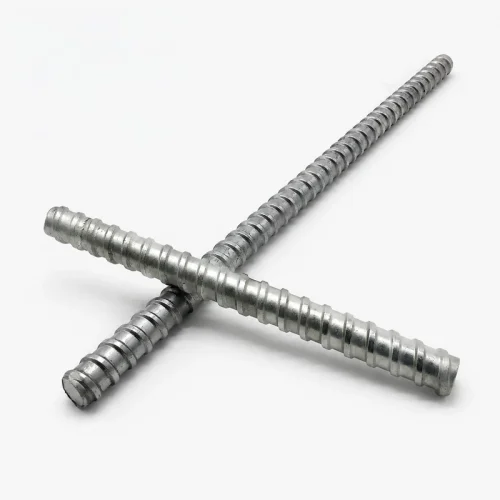
The tie rod runs through the formwork and creates the connection between the two sides of the form. The tie nut engages with the rod at the outside face and lets the assembly tighten from that position. Depending on the formwork layout, the nut may bear directly against a supporting member or work together with a separate plate. This explains why terms such as tie rod nut, nut for tie rod, and tie bar nut often appear around the same product requirement. They all point back to the threaded fastening part of the tie system. The surrounding formwork accessories still need to suit the same arrangement, because the nut, rod, plate, and support member work together at one connection point. Orders may include a tie rod and nut as a matched set, with the nut serving as the fastening component at the rod end.

Matching the Nut with the Tie Rod

When choosing a tie nut, start with the tie rod already specified for the project or used in the existing system. Similar-looking nuts may not fit the same rod, so check the connection against the actual tie rod before ordering. For a new order, identify the rod type and the required nut form before production. For an existing system, use the current rod and nut as the reference.

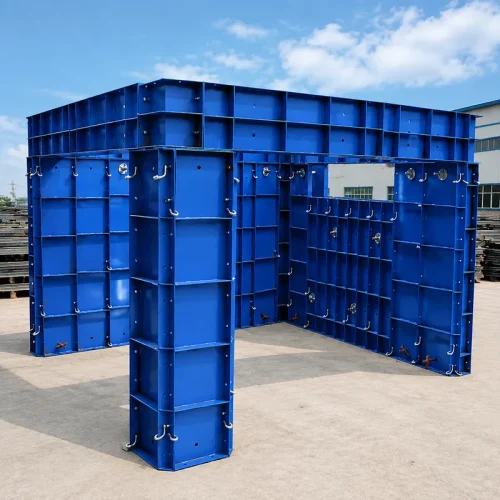
Use in Wall and Column Formwork

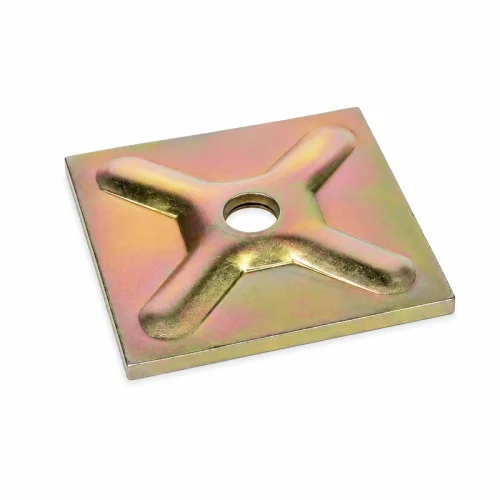
Tie nuts are commonly used where formwork uses through-tie rods between opposing faces. Wall and column forming are typical examples. The rod passes through the form, while the nut tightens the assembly from the outside. The exact arrangement changes with the formwork design. Some systems use a nut directly at the bearing point, while others include a separate washer or plate. A tie rod plate and nut, therefore, describe a combined fastening arrangement rather than only the plate or the nut itself. Other formwork solutions may use different tie methods, anchor layouts, or support details. Select the nut for the actual tie arrangement rather than treating it as a universal fastener for every formwork application.

Replacement Orders and Existing Stock

Replacement orders need a different check from a new project. Start with the component already in use instead of relying on a general product name. Old stock may include several tie nut styles from different systems or purchasing periods. Clear photos help identify the overall nut form, but they do not confirm the connection by themselves. Keep the old tie rod with the sample where possible, especially when the original product reference is no longer available. The original drawing, previous packing list, or item code can also help separate one nut type from another.

Information to Confirm Before Ordering

A tie nut RFQ should identify the required nut type, quantity, and the tie rod it must match. Add a drawing or sample reference when the order needs to match existing stock. If the project has specific finish, standard, packing, or marking requirements, include them before production rather than assuming a standard option. This also helps distinguish a general tie nut from a more specific product such as an anchor nut, flange-type nut, or spinning nut. Similar market names do not always describe the same body or connection arrangement. When an order also includes tie rods, plates, or other formwork components, list each item separately in the RFQ so the required products can be checked against the same project or replacement requirement. Other scaffolding, formwork, and shoring products can be reviewed through the broader HUILAI product range.

Formwork Tie Rod Nut Size

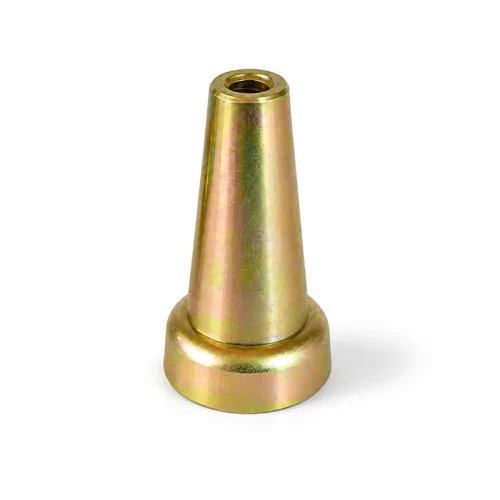
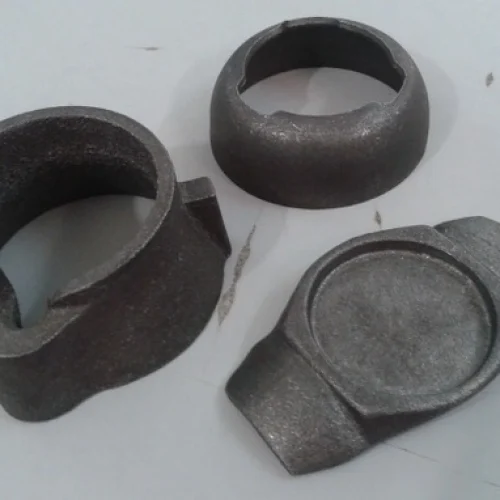
Product Type Round Base Tie Nut Round Base Tie Nut
Unit Weight 0.90 kg 0.60 kg
Design Reinforced Three-Wing Round Base Winged / Reinforced Round Base
Reference Base Diameter Ø110 mm Ø90–100 mm
Reference Material Ductile Cast Iron, QT450-10 Ductile Cast Iron, QT450/QT500 Series
Manufacturing Process Cast Iron / Casting Cast Iron / Casting
Surface Treatment Galvanized Galvanized
Reference Load Capacity Approx. 170–180 kN Approx. 140–175 kN
Application Formwork Tie Rod System Formwork Tie Rod System
PACKING & SHIPPING

Packaging and Shipping for Export Orders

For export scaffold orders, packing is arranged according to product type, quantity, surface finish, loading method, and buyer requirements.

Huilai Scaffolding can support bulk packing, pallet packing, shipping marks, and order checks before loading.

Palletized tie rod nuts loaded in shipping container
01

Bulk Export Packing

Packing can be arranged by bundle, pallet, carton, or carton with pallet according to product size, quantity, and container loading plan.

02

Packing Mark Support

Labels, item marks, and shipping marks can be arranged according to buyer reference, product type, quantity, and warehouse needs.

03

Order Check Before Shipment

Product name, quantity, surface finish, packing method, marks, and buyer reference can be checked against the order details before shipment.

04

Container Loading Plan

Packing and loading can be arranged according to product size, order quantity, weight, and available container space.
Need a Custom Solution?

Send your product name, drawing or sample photo, required quantity, surface finish, and destination country.
Huilai Scaffolding will check the details and reply with a project-based quotation.

PRODUCT RANGE

Explore More Scaffolding Products from Huilai

Browse Huilai scaffolding systems, scaffold parts, safety access components, formwork accessories, and shoring products

for contractors, rental companies, distributors, and infrastructure projects worldwide.
MORE APPLICATIONS

Find Scaffolding Solutions by Application

Different jobsites may need different scaffold systems, access methods, platform layouts, and component lists. Use these application pages to compare how Huilai scaffolding products are used in construction, facade access, industrial maintenance, oil and gas, power plant, bridge, and infrastructure projects.
Facade Scaffolding

For exterior walls, cladding, painting, and curtain wall work.

Industrial Scaffolding

For plants, tanks, pipes, equipment areas, and andmaintenance work.

Bridge & Infrastructure Scaffolding

For bridges, viaducts, tunnels, public works, and civil projects.

Power Plant Scaffolding

For boilers, turbines, cooling towers, and outage maintenance.

Oil & Gas Scaffolding

For refineries, pipe racks. tanks, and shutdown work.

Construction Scaffolding

For building work, masonry, concrete access, and general platforms.

From Components to Systems

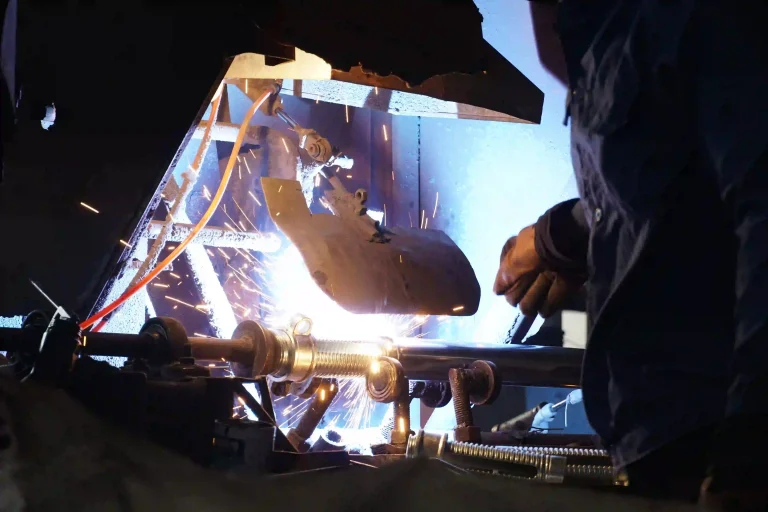
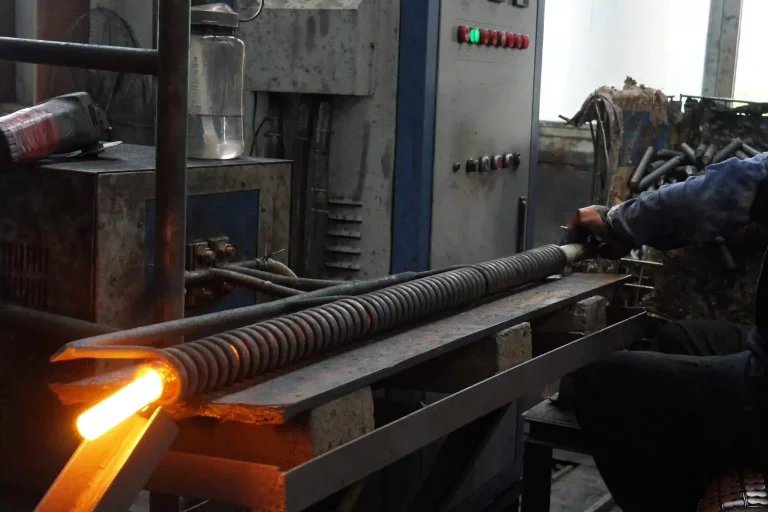
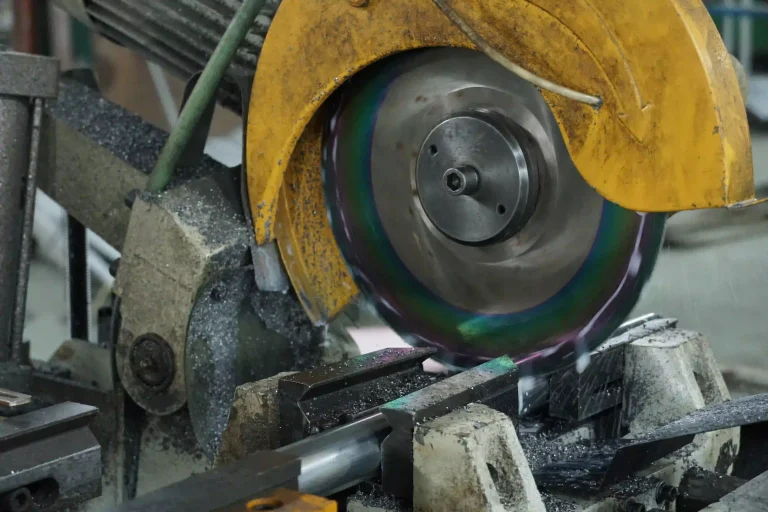
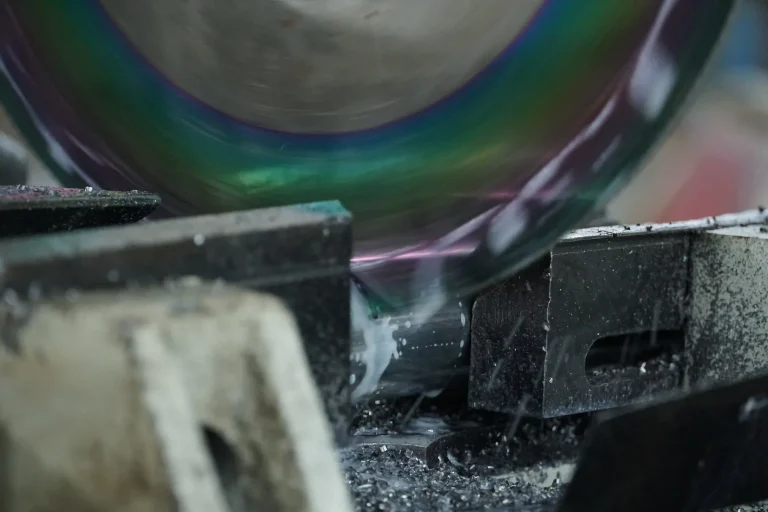
Integrated Production for the Entire Scaffolding Range

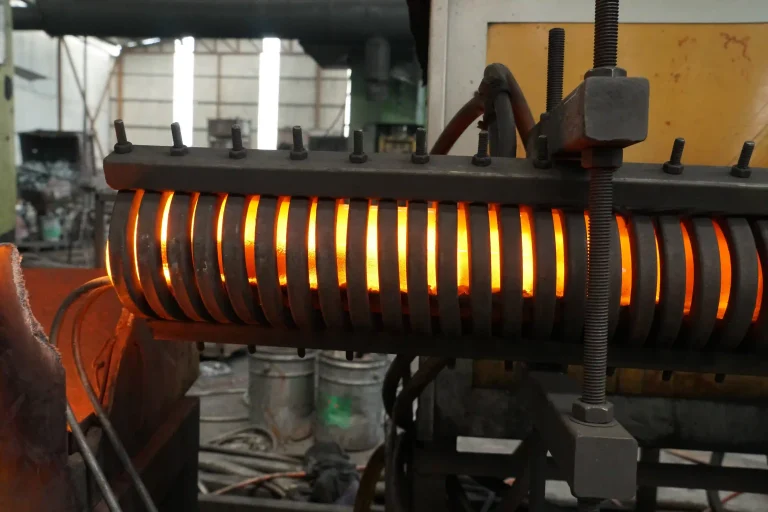
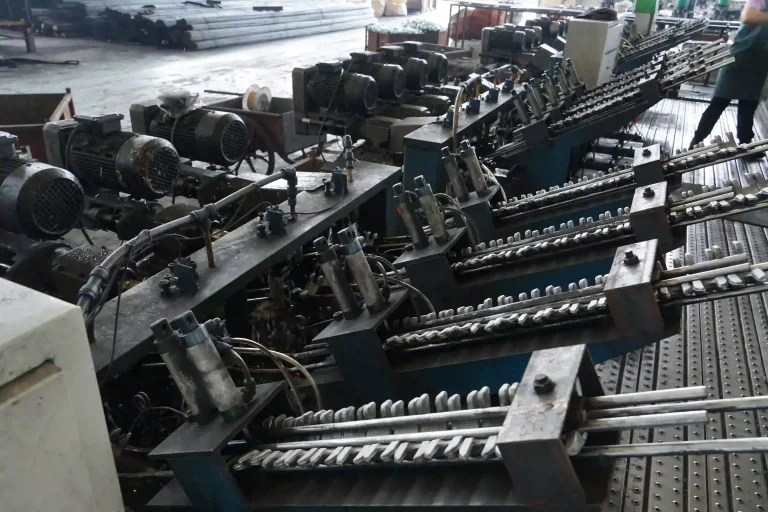
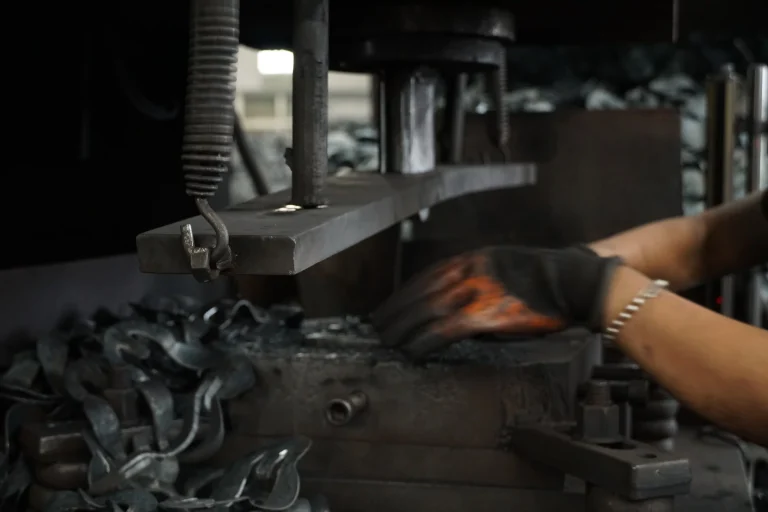
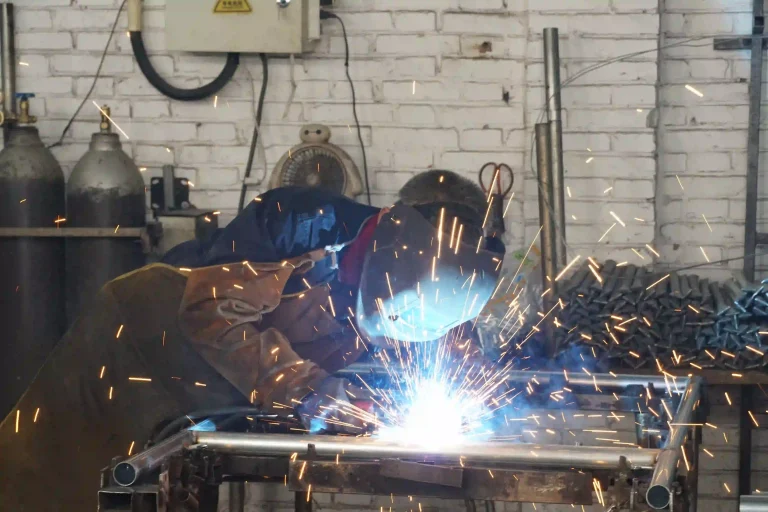
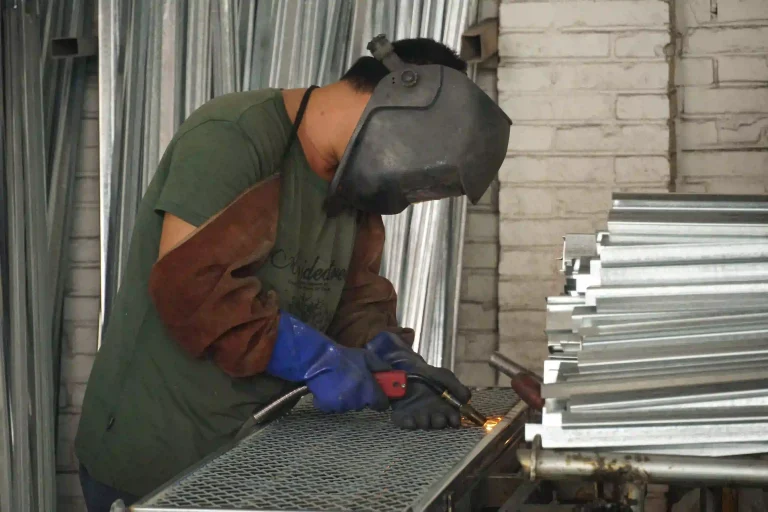
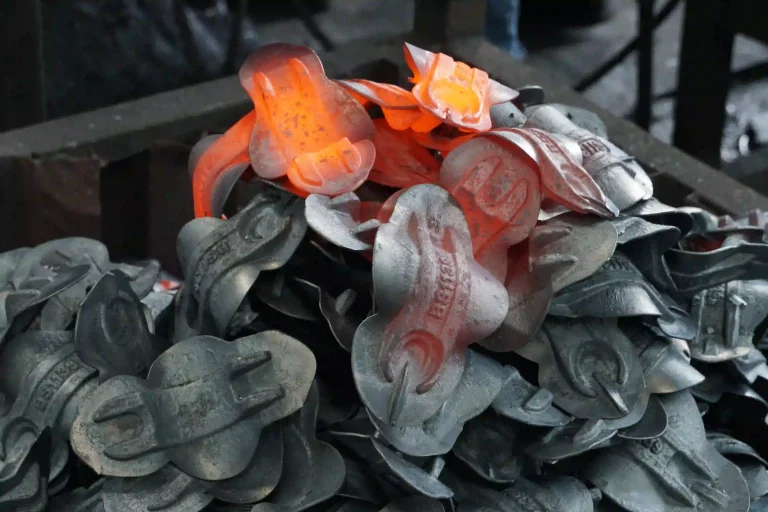
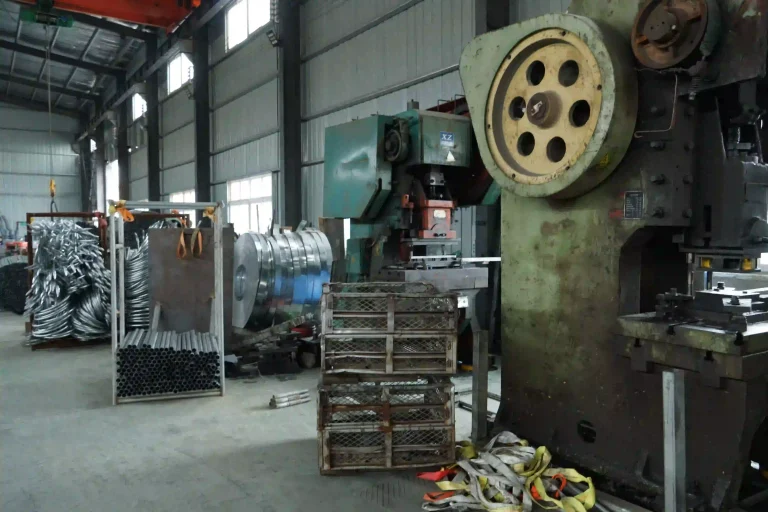
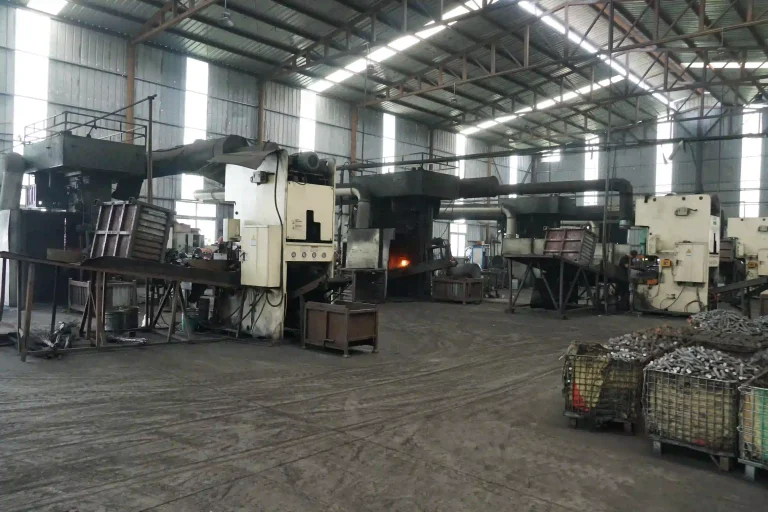
From precision-engineered components to integrated systems, our state-of-the-art production lines deliver

the full spectrum of scaffolding solutions with uncompromised industrial standards.

PRODUCT FAQ

FAQ for Scaffold Product Buyers

These answers are based on the product details, common RFQ questions, and export order requirements.

Final dimensions, finish, packing, and delivery terms should be confirmed before quotation.

A tie nut works at the end of a formwork tie rod and allows the tie assembly to tighten from outside the form. It forms part of the connection that holds opposing formwork faces in position. The nut works together with the rod and any related bearing or support components used at that connection point.

No. The nut must suit the tie rod and the connection arrangement used by the formwork system. Similar-looking nuts do not automatically fit the same rod. For a new project, identify the required tie system first. For existing stock, compare the new nut against the rod and nut already in use.

Not necessarily. Formwork suppliers sometimes use tie nut as a broad product-family term, while anchor nut, wing nut, flange-type nut, and spinning nut can describe more specific constructions. When these names appear on an RFQ, confirm the actual product form and matching tie rod instead of assuming that the terms are interchangeable.

Tie rod nut is commonly used as an alternative term for a tie nut in formwork applications. Tie bar nut can also describe the same general function. However, these names cover several nut designs in the market, so the product name alone does not confirm that two nuts have the same construction or connection.

Use the existing nut and its matching tie rod as the main reference. Clear photos can identify the general shape, while a drawing, product code, previous packing record, or physical sample gives more information for comparison. Keeping the rod with the sample is particularly useful when the original nut specification is unavailable.

Identify the tie nut type, required quantity, and the tie rod or existing system it needs to match. For replacement orders, include photos, drawings, samples, or previous item references where available. Also state any project-specific requirements for finish, standard, packing, or marking so these points can be confirmed before production.

REQUEST A QUOTATION

Send Your Scaffold Product Requirements

Send your product name, drawings, quantity, surface finish, destination port, and packing requirements. Huilai Scaffolding will check the details and prepare a practical export quotation for your project or bulk order.

We’ll respond within 24 hours with detailed pricing and delivery information.

Scroll to Top