Choosing a Formwork System from a China Supplier
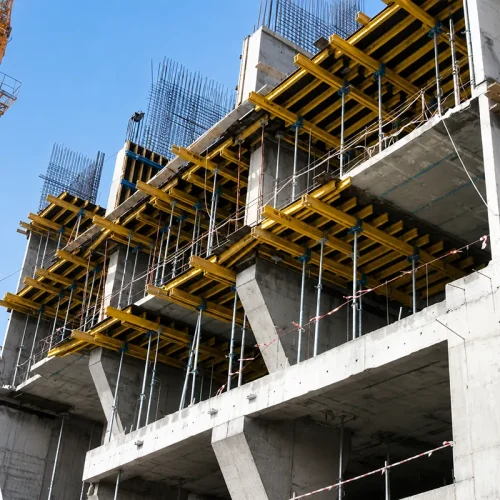
A formwork system is more than the surface that comes into contact with concrete. Depending on the system and the structure being formed, a complete setup may include panels, beams, props, ties, connectors, supporting frames, corner components, and other matching parts. Wall, column, and slab formwork are planned differently because the concrete structure, geometry, support arrangement, and required components are different.
Huilai Scaffolding is a China-based manufacturer and export supplier of scaffolding, formwork, and shoring systems for contractors, distributors, importers, and project procurement teams. The formwork range covers different concrete forming requirements through Formwork Solutions and matching Formwork Accessories. Buyers can source systems for building construction, concrete walls and slabs, high-rise structures, and selected civil and infrastructure applications.
For most B2B buyers, choosing between concrete formwork systems should start with the structure rather than the product name. A residential building with repeated wall and floor layouts does not create the same forming requirement as a one-sided concrete wall, a slab supported by beams and props, or a civil structure with project-specific geometry. Major formwork suppliers likewise separate wall, column, slab, and customised systems because each type addresses a different forming condition.
This is why drawings are useful before a detailed quotation is prepared. A product name such as aluminum formwork, steel formwork, or H20 slab formwork gives the supplier a starting point, but it does not describe the whole order. Structural drawings, typical floor plans, wall and slab dimensions, a BOQ, or an existing component list can show which parts the buyer expects to receive and which details still need to be confirmed.
Project geometry also affects system selection. Repetitive building layouts may suit a different forming approach from irregular concrete structures. Wall height, slab layout, corners, openings, structural dimensions, and whether the formwork can be arranged on both sides of a wall can all change the required configuration. Project-specific large-area formwork systems, for example, can be adapted around element shape, size, tie patterns, and form-facing requirements.
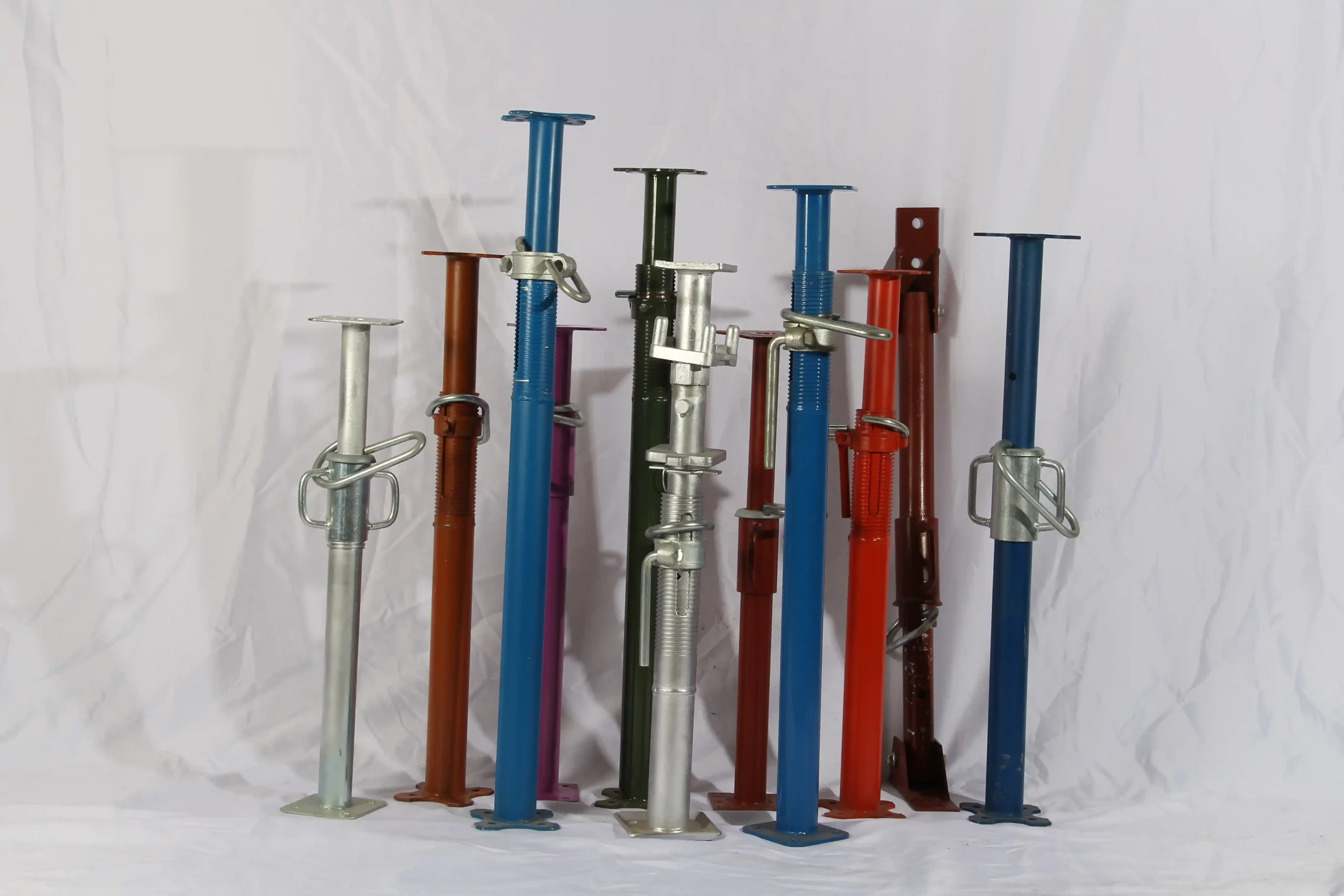
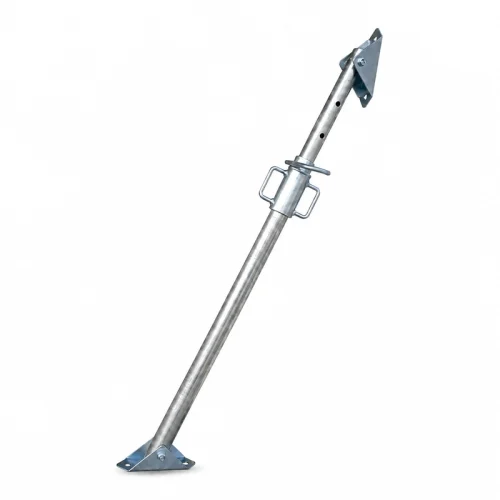
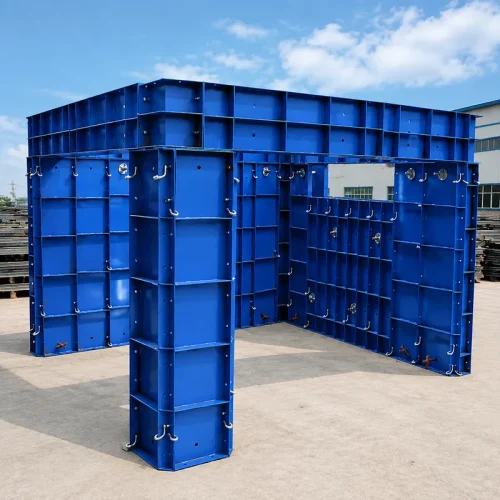
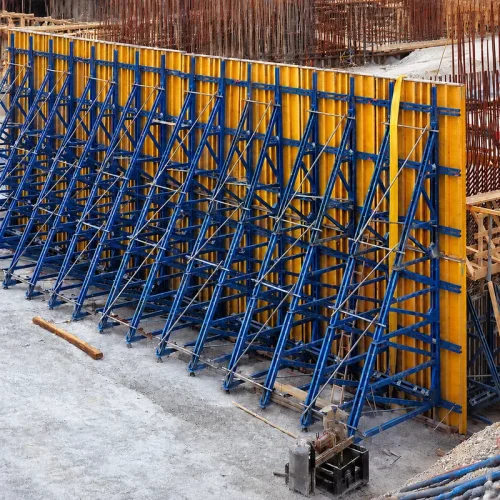
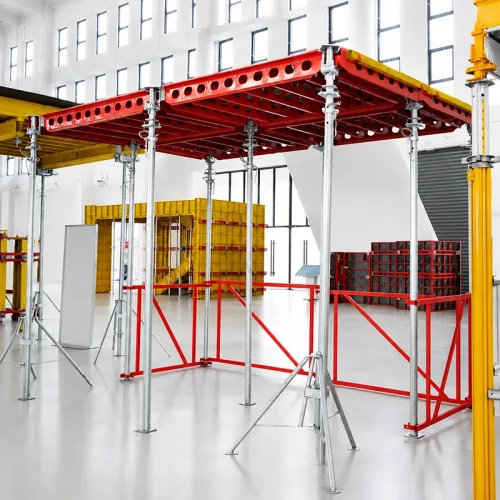
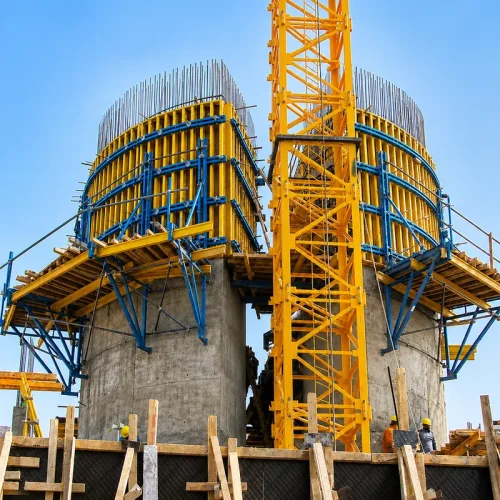
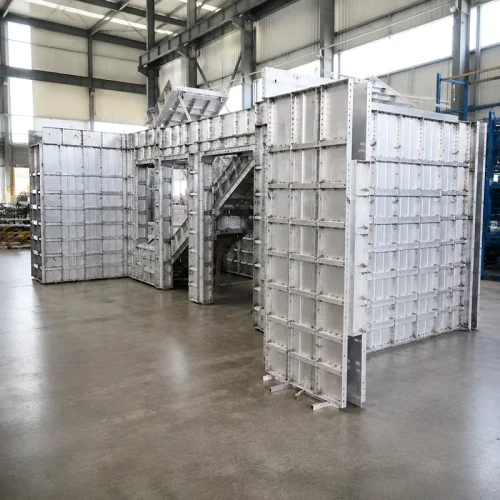
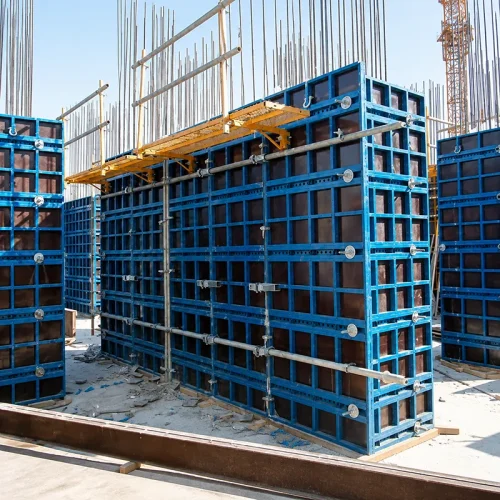
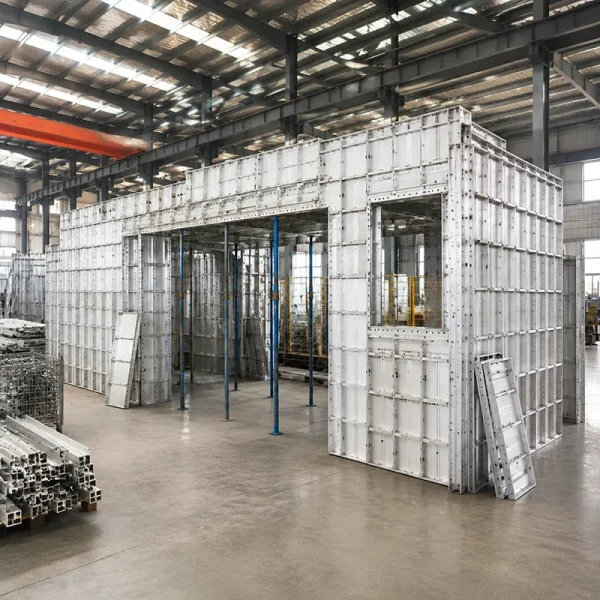
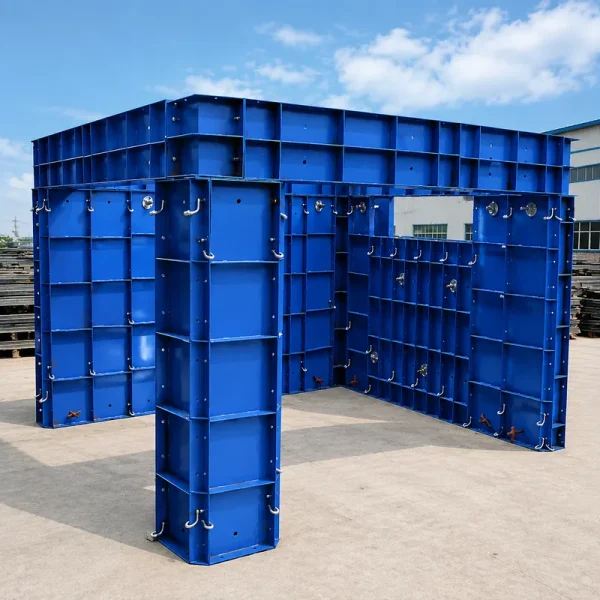
Huilai’s formwork range includes several system types for these different conditions. Aluminum formwork can be considered for coordinated wall and slab forming in building projects. H20 slab formwork uses a beam-based arrangement for horizontal concrete work. Steel formwork is available for concrete forming applications where steel panels and matching corner configurations are required. Single-sided wall formwork addresses wall conditions where conventional formwork cannot be arranged from both sides. Other systems in the range, including B-Form, T-Form, and cantilever formwork, provide additional options for specific vertical, horizontal, or project-based forming requirements. The detailed specifications and selection criteria for each system should remain subject to the relevant product information and project requirements. The supplied catalogue confirms these systems as part of the current formwork range.
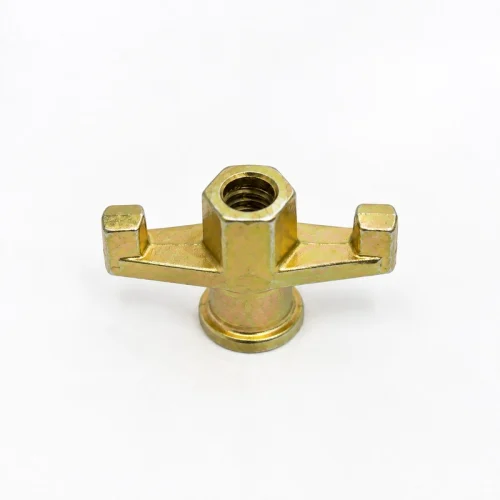
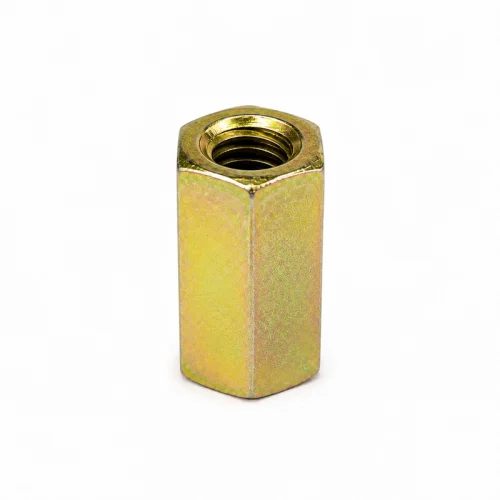
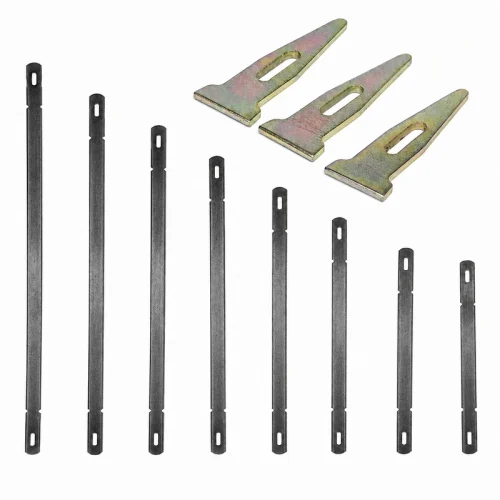
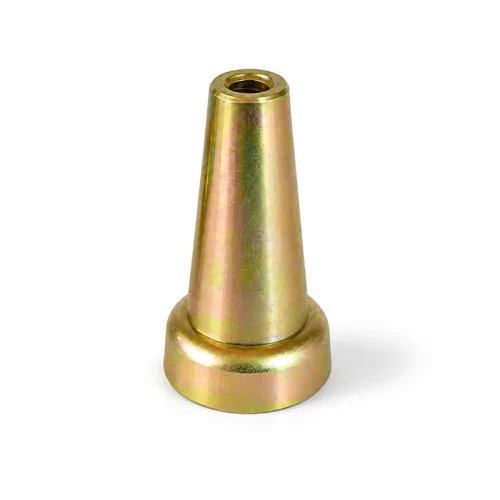
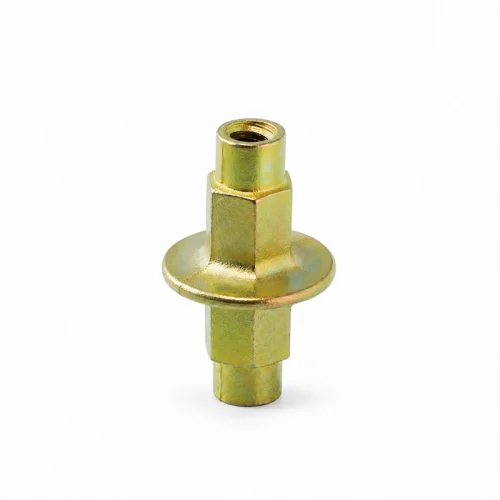
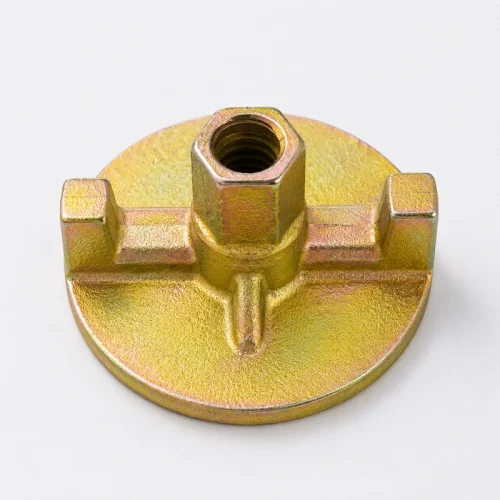
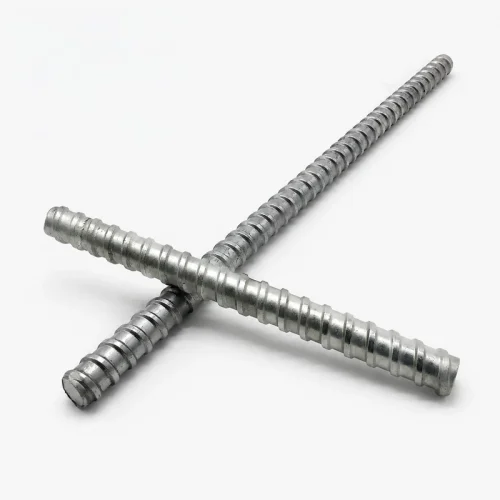
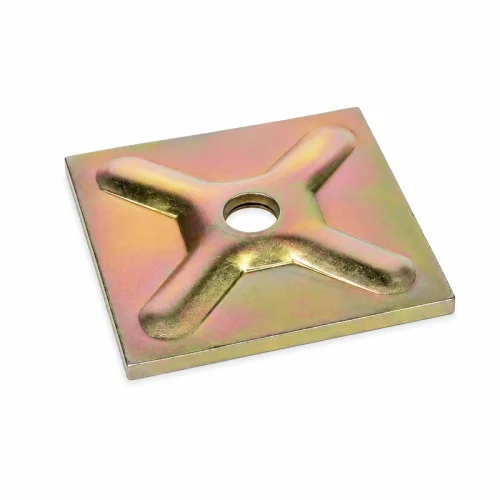
The main forming system is only one part of the procurement list. Depending on the selected arrangement, buyers may also need connecting, tying, supporting, positioning, or corner components. This is particularly important when the goods are being purchased for export, because missing or unmatched parts are more difficult to correct once the shipment has reached the project or distributor. The available steel formwork documentation, for example, shows flat forms, inner corner forms, corner angle forms, and separate formwork accessories as distinct parts of the overall product range.
Before placing a formwork order, buyers should therefore confirm more than quantity alone. The RFQ should identify the required formwork type, available drawings or BOQ, dimensions, quantities, and any specified material or surface requirements. If the project has an existing system, it is also useful to identify the components that must match the buyer’s current stock. Destination port, packing requirements, shipping marks, and document requirements can then be reviewed as part of the export order.
Packing also deserves attention when panels and smaller components ship together. Large formwork elements, beams, supports, and accessories may need different grouping or identification methods. Clear packing lists and shipping marks help the receiving team distinguish system parts after arrival. The objective is not simply to fit products into a shipment, but to keep the delivered component groups understandable when the buyer receives and checks the order.
Buyers do not need to have every detail finalized before making the first inquiry. If a complete BOQ is not available, existing drawings, product lists, structural dimensions, photos of the required system, or basic project information can provide a starting point for discussion. Huilai can use the available information to clarify what is being requested before the quotation moves to detailed product and order confirmation.
For contractors and importers comparing formwork systems from China, the useful question is not only which system has the lowest unit price. It is whether the proposed system matches the concrete structure, whether the required components have been identified, and whether the quotation is based on enough project information to define what will actually be supplied. Starting with the structure, drawings, and component list makes that comparison much clearer.

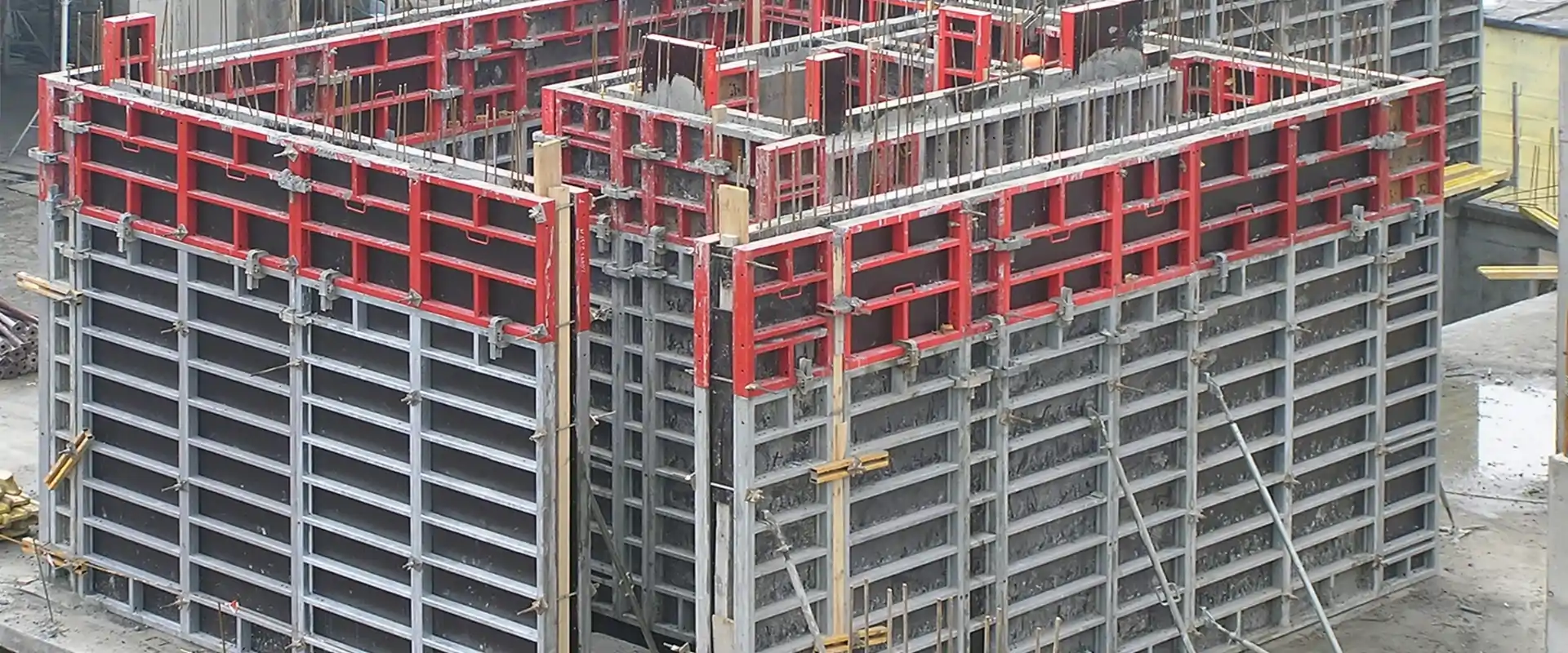 Formwork Solutions