huilai logo
HUILAI SCAFFOLDING

China Scaffold Manufacturer

首页 » Scaffolding Products » formwork systems » Formwork Accessories » Hexagonal Long Nut for Formwork Tie Rod Connections

Hexagonal Long Nut for Formwork Tie Rod Connections

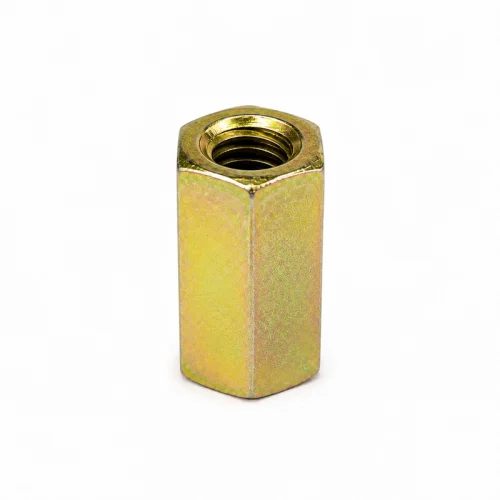
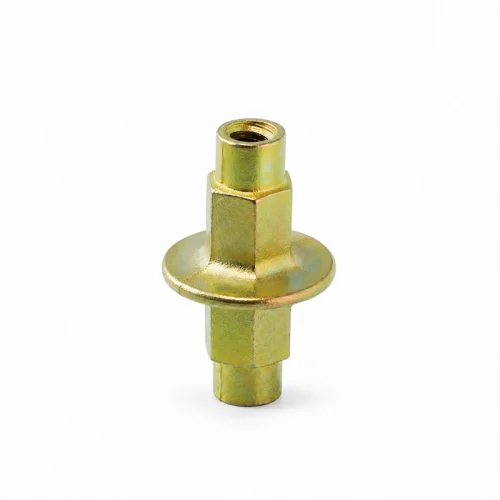
The hexagonal long nut is a threaded formwork accessory for joining compatible tie rod sections. The available unit weighs 0.21 kg. Confirm the internal thread, connector dimensions, matching rod, material, surface finish, order quantity, and export packing before production.

Hexagonal Long Nut for Extending Formwork Tie Rods

A hexagonal long nut joins compatible threaded sections in a formwork tie arrangement. Its extended body provides more internal thread length than a standard nut. Six flats allow tightening with a suitable wrench. It does not represent a complete tie rod system or prove compatibility with every rod of a similar diameter. Before adding the component to existing formwork systems, compare its internal thread and rod profile. Then check the connector dimensions and required finish against an approved drawing or sample.

Role in a Formwork Tie Assembly

In wall or column formwork, the connector can link two threaded tie rod sections. The assembly may use this joint to create the required rod arrangement. The complete tie holds opposing form faces at the specified spacing during concrete placement. The long nut forms only the connection between compatible threaded parts. Depending on the system, the assembly may also need external nuts, plates, cones, sleeves, or other hardware. In the tie assembly, the connector sits between two rod sections rather than against the formwork or waler. Wing nuts and plate-type tie nuts fasten other parts of the arrangement, so the long hexagon nut needs its own line in the formwork accessories schedule, together with the matching rod reference.

Thread Fit Matters More Than Outside Shape

Two connectors may share the same hexagonal outline yet use different thread diameters, pitches, profiles, or engagement lengths. Color and unit weight can help identify stock, but neither confirms a working connection. A rod that enters for only a few turns may still have the wrong thread. The correct pairing should start smoothly and engage over the length required by the approved assembly. For repeat orders, compare the proposed nut directly with the component already in use. Check the internal thread at each connection end, the rod-end condition, the body length, and the width across the flats. A sample gives the clearest reference when the original drawing is unavailable. Close-up photos of the bore and both ends help separate a long sleeve hex nut from a stepped connector. They can also rule out a standard fastener coupling nut or another formwork part carrying a similar name.

Assembly and System Coordination

Keep the tie rod threads clean and free from visible damage before assembly. Start the connection by hand so that the rod follows the internal thread without cross-threading. Use the correct tool only after the nut turns freely. Follow the engagement and tightening method set for the project. Do not use a long hex coupling nut to compensate for bent rod ends, damaged threads, or an unconfirmed mismatch. The tie layout still depends on wall thickness, panel arrangement, walers, and the remaining tie hardware. Review the connector together with the selected formwork solutions rather than approving it as an isolated fastener. A project drawing may call for a stop pin, special locking detail, or different thread at either end. If so, show that feature on the product drawing instead of relying on a generic photo. The project engineer or system designer should approve the final tie configuration and any required working capacity.

What to Confirm Before Ordering

Long hex nuts often look alike in warehouse bins and product photos. Record the internal thread, overall length, across-flats dimension, end shape, material requirement, finish, and unit-weight reference under one item code. A useful RFQ states the matching tie rod, internal thread, connector dimensions, and order quantity. Add the required material, surface finish, packing method, and destination port. For replacement stock, include a dimensioned drawing or an undamaged sample. Accurate specification information is crucial for the supply of bulk formwork orders, especially when a single shipment contains multiple versions of connectors. If the order includes more than one hex connector nut, note the thread and matching tie rod on each RFQ line. This is more reliable than using one general description for several similar-looking parts. The HUILAI product range covers other formwork items that may be added to the same shipment.

Formwork Hexagonal Long Nut Technical Specifications

Parameter Recommended Specification
Product Type Formwork Hexagonal Long Nut
Unit Weight 0.21 kg
Reference Size 30 × 50 mm
Width Across Flats 30 mm
Overall Length 50 mm
Compatible Tie Rod D15 / D17 mm
Reference Material 45# Carbon Steel
Manufacturing Process Hot Forged / Integral Forging
Surface Treatment Electro-Galvanized / Zinc Plated
Reference Load Capacity 180 kN
Connection Type Female Thread
Application Formwork Tie Rod System
Function Tie rod fastening / connection and extension
PACKING & SHIPPING

Packaging and Shipping for Export Orders

For export scaffold orders, packing is arranged according to product type, quantity, surface finish, loading method, and buyer requirements.

Huilai Scaffolding can support bulk packing, pallet packing, shipping marks, and order checks before loading.

Long hex nuts in white woven bags secured on pallets inside a shipping container
01

Bulk Export Packing

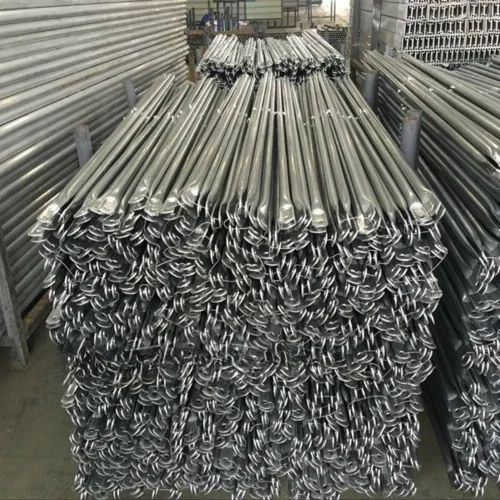
Packing can be arranged by bundle, pallet, carton, or carton with pallet according to product size, quantity, and container loading plan.

02

Packing Mark Support

Labels, item marks, and shipping marks can be arranged according to buyer reference, product type, quantity, and warehouse needs.

03

Order Check Before Shipment

Product name, quantity, surface finish, packing method, marks, and buyer reference can be checked against the order details before shipment.
04

Container Loading Plan

Packing and loading can be arranged according to product size, order quantity, weight, and available container space.
Need a Custom Solution?

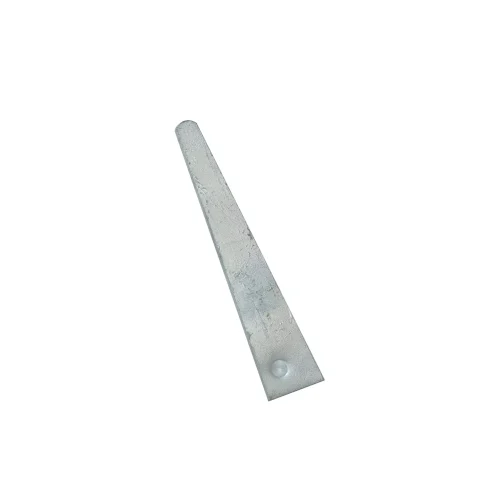
Send your product name, drawing or sample photo, required quantity, surface finish, and destination country.
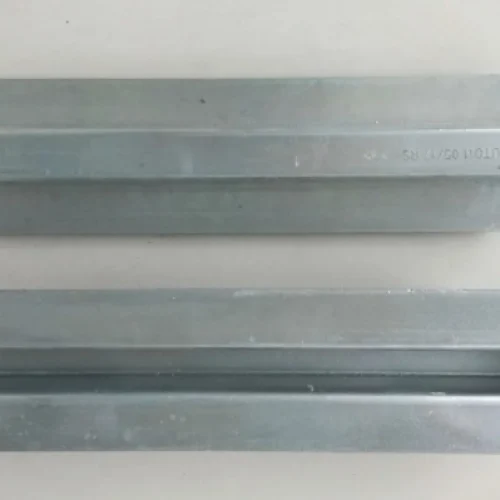
Huilai Scaffolding will check the details and reply with a project-based quotation.

PRODUCT RANGE

Explore More Scaffolding Products from Huilai

Browse Huilai scaffolding systems, scaffold parts, safety access components, formwork accessories, and shoring products

for contractors, rental companies, distributors, and infrastructure projects worldwide.

MORE APPLICATIONS

Find Scaffolding Solutions by Application

Different jobsites may need different scaffold systems, access methods, platform layouts, and component lists. Use these application pages to compare how Huilai scaffolding products are used in construction, facade access, industrial maintenance, oil and gas, power plant, bridge, and infrastructure projects.

Facade Scaffolding

For exterior walls, cladding, painting, and curtain wall work.

Industrial Scaffolding

For plants, tanks, pipes, equipment areas, and andmaintenance work.

Bridge & Infrastructure Scaffolding

For bridges, viaducts, tunnels, public works, and civil projects.

Power Plant Scaffolding

For boilers, turbines, cooling towers, and outage maintenance.

Oil & Gas Scaffolding

For refineries, pipe racks. tanks, and shutdown work.

Construction Scaffolding

For building work, masonry, concrete access, and general platforms.

From Components to Systems

Integrated Production for the Entire Scaffolding Range

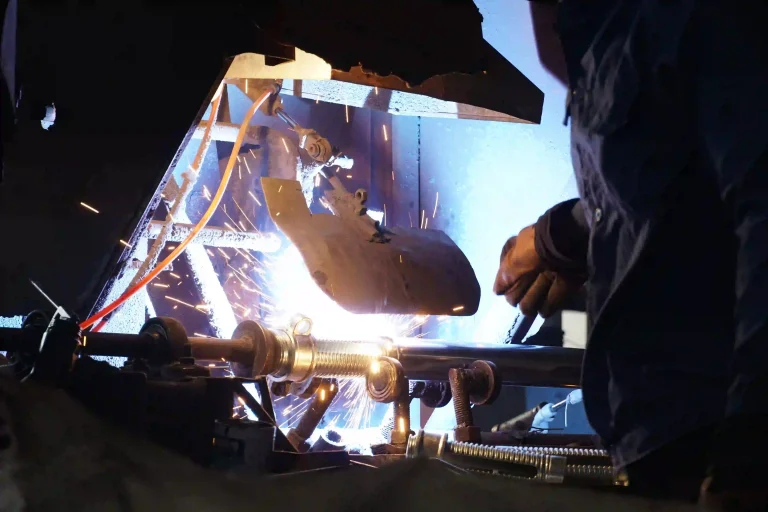
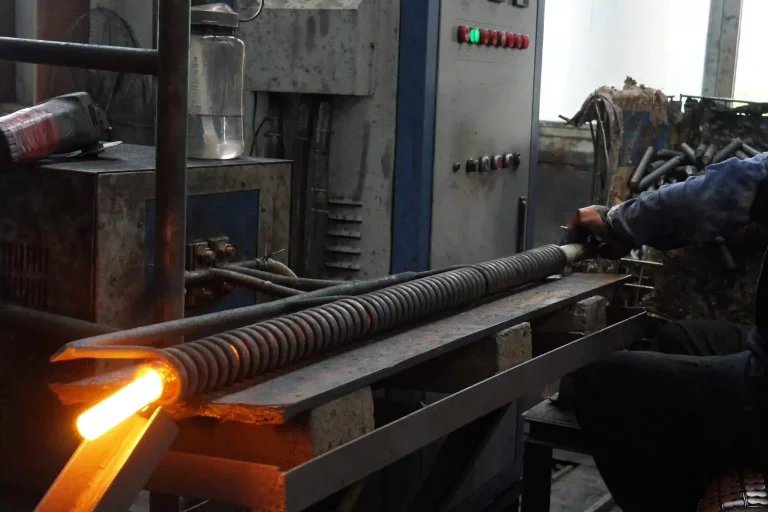
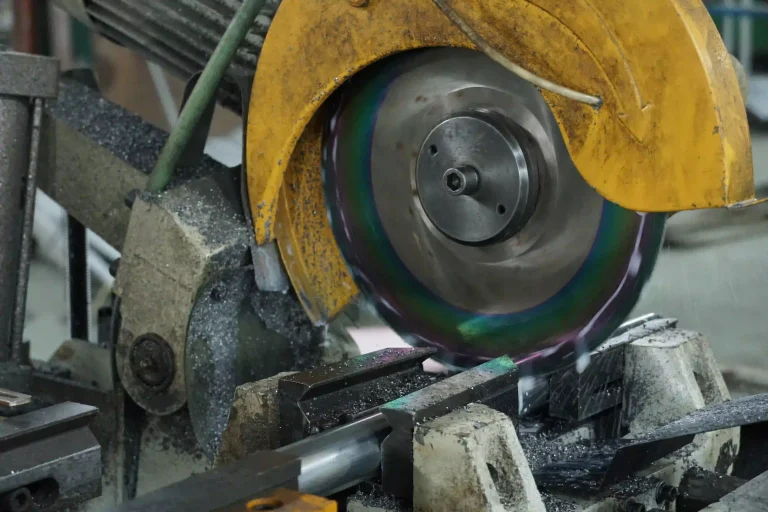
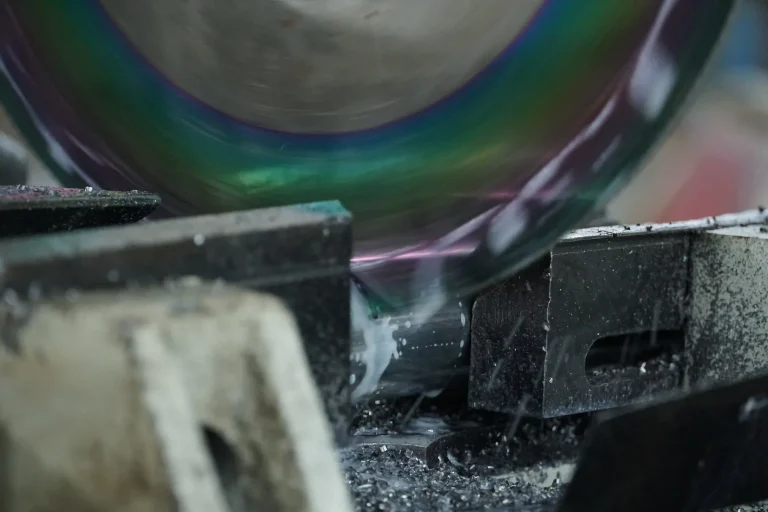
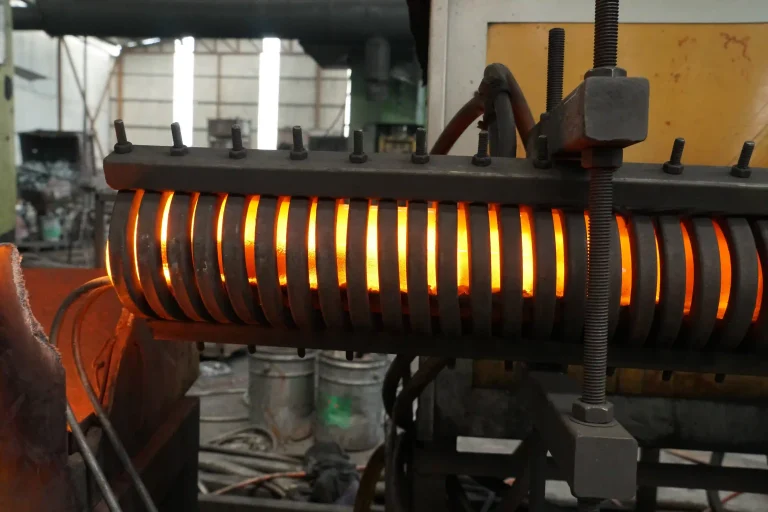
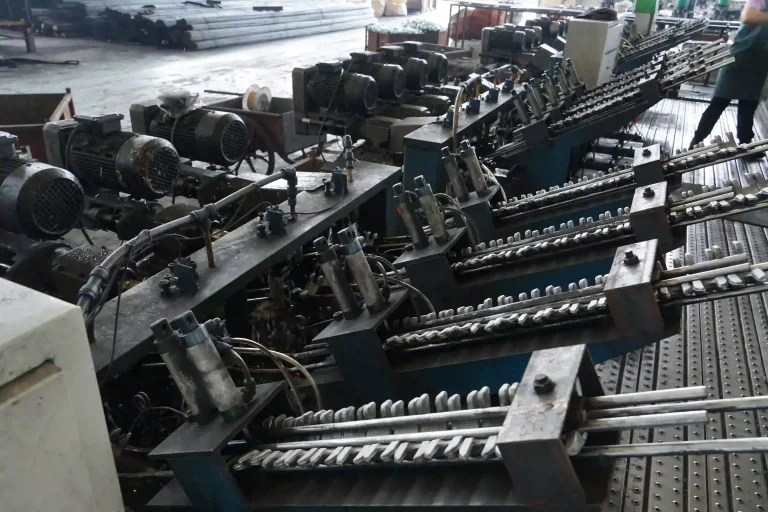
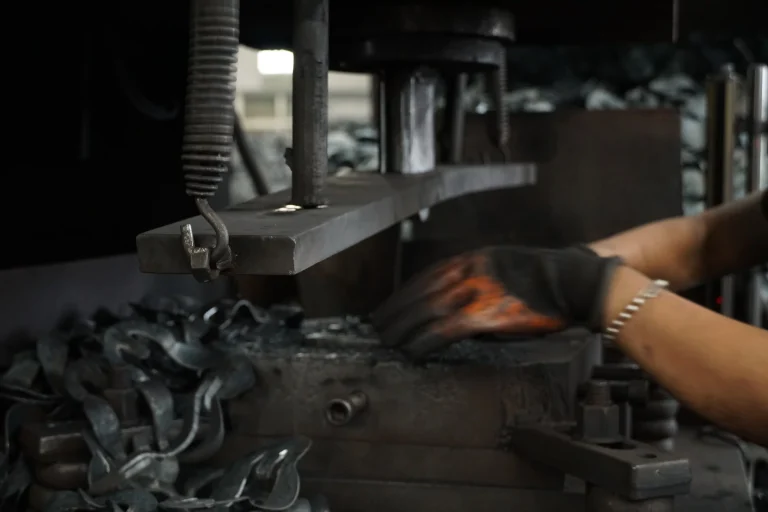
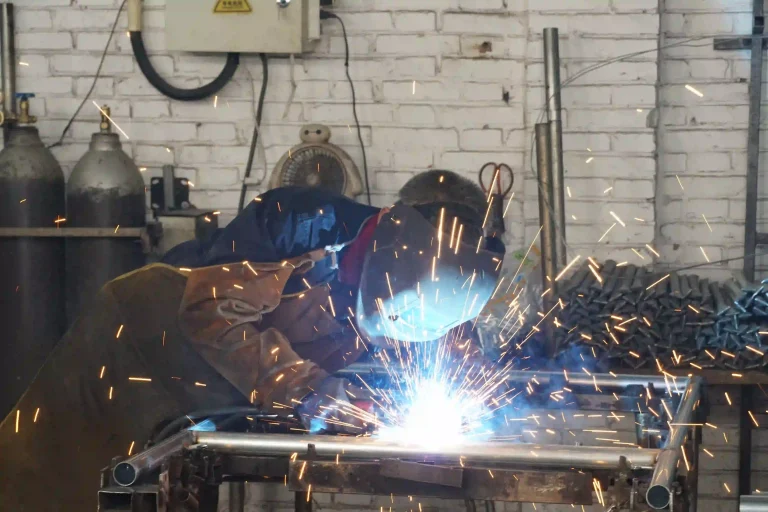
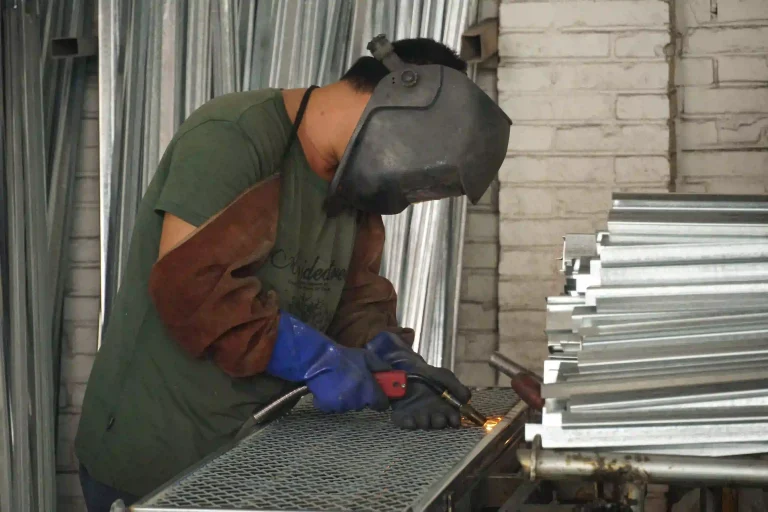
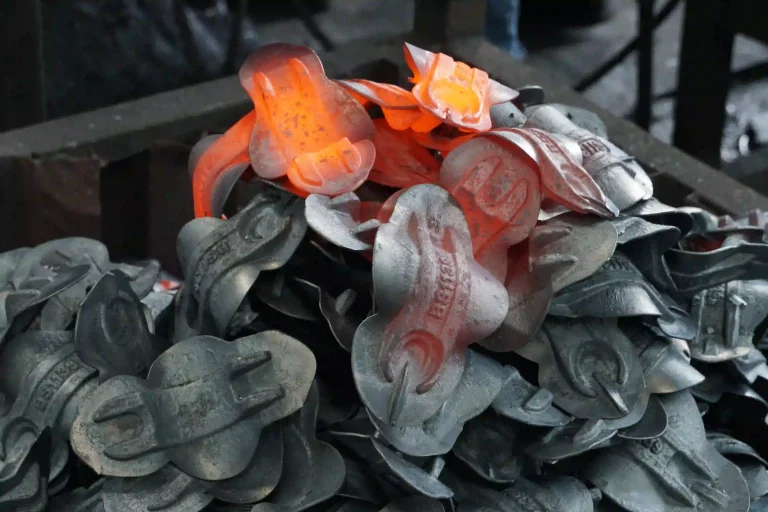
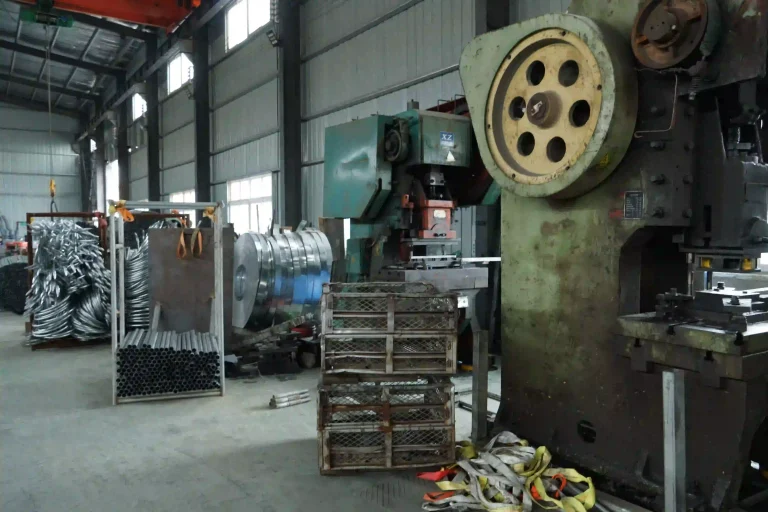
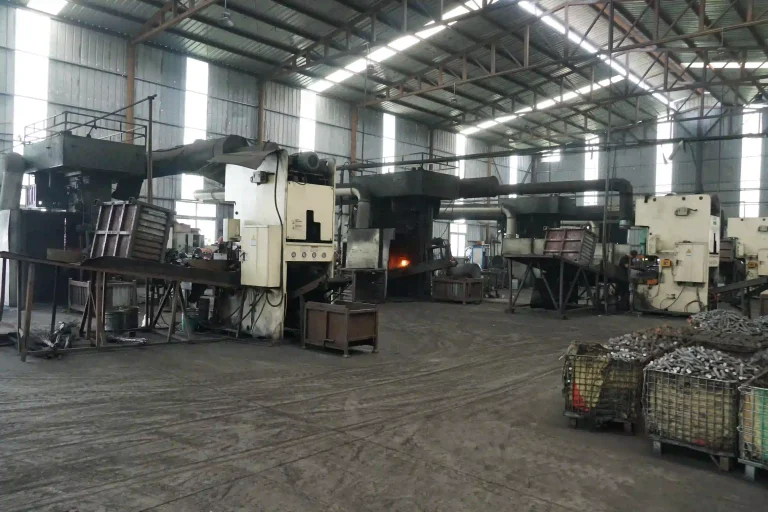
From precision-engineered components to integrated systems, our state-of-the-art production lines deliver

the full spectrum of scaffolding solutions with uncompromised industrial standards.

PRODUCT FAQ

FAQ for Scaffold Product Buyers

These answers are based on the product details, common RFQ questions, and export order requirements.

Final dimensions, finish, packing, and delivery terms should be confirmed before quotation.

It connects compatible threaded tie rod sections where the planned formwork assembly requires a joined or extended rod. It is one connection component, not a complete tie system. External nuts, plates, sleeves, cones, or other hardware may still form part of the assembly.

No. A similar rod diameter does not guarantee compatibility. Confirm the thread diameter, pitch, profile, engagement length, and rod-end condition. The nut should start smoothly without force or cross-threading.

Compare it with an undamaged unit already in use. Check the internal thread, overall length, width across the flats, end shape, unit weight, material, and finish. A sample or dimensioned drawing provides a more reliable reference than photos alone.

These names often describe the same general connecting function in formwork inquiries. However, the names do not confirm the internal thread, body dimensions, material, or finish. Use a drawing or sample to identify the required version.

A hexagonal long nut has an extended threaded body intended to connect compatible threaded sections. A standard hex nut usually secures one threaded part against another surface. Do not assume that a generic DIN coupling nut matches a formwork tie rod.

Send the quantity, tie rod type, thread details, connector dimensions, material, finish, packing method, destination port, and shipping-mark requirements. For replacement stock, include a sample, drawing, or clear photos of the connector and matching rod.

REQUEST A QUOTATION

Send Your Scaffold Product Requirements

Send your product name, drawings, quantity, surface finish, destination port, and packing requirements. Huilai Scaffolding will check the details and prepare a practical export quotation for your project or bulk order.

We’ll respond within 24 hours with detailed pricing and delivery information.

Scroll to Top